
Welcome to GROVE's Group!

PLEASE READ BEFORE THE 1ST GROUP SESSION
Thank you for choosing GROVE to support your young person. Please read through this page before mentoring begins.
GROVE Neurodivergent Mentoring & Education is committed to providing services at the highest standard, in a safe and happy environment. Everything we do is guided by our ‘Neuro-affirming Foundations’:
GROVE’s Neuro-affirming Foundations:
Our approaches are grounded in the principles of Neurodiversity Paradigm.
- We recognise the pervasive role of ableism within society, including the influence of internalised ableism.
- We aim to challenge ableist narratives about neurodivergent people.
- We are committed to being anti-racist.
- We are committed to being LGBTQIA+ affirming.
- We recognise and respect each individual’s intersectional identity and are committed to unpacking one’s own privilege.
- We aspire to work in a way that is trauma informed.
- We respect all forms of communication and presume competence.
Our Foundations enable us to aspire, wherever possible, to create an accessible and emotionally, psychologically, sensorially, relationally safe space for GROVE’s young people, their families and those with whom we work.
These foundations create the potential for authentic connection, community and growth in a way that is meaningful for each individual – for instance, developing meaningful relationships, a sense of belonging, possibly developing self-understanding, positive self-esteem and neurodivergent identity.
Everyone at GROVE wants to provide your young person with the most meaningful experience we can.
BEFORE THE FIRST SESSION:
- Before your young person meets with their group online, please take the time to talk about the ‘How we treat one another GROVE’ section at the bottom of this page. They may also find the ‘Meet the Mentors’ section helpful.
- Consider any information provided in the booking form and whether any of this needs to be updated or added to. This is so that we can work together to limit barriers to access and enjoyment. This includes areas such as:
- Communication needs / preferences – this is particularly important if your young person will want us to read out any types contributions if they are using this to communicate;
- Content or discussion topics – to avoid or encourage;
- Scaffolding needed to help your young person get ready and feel comfortable with their first session;
- Triggers – trauma / topics / sensory.
- Contact the Mentor at least 48 hours before the first session with any additional information, questions or requests.
- Check that you and your child/young person are comfortable with how to use Microsoft Teams (see below for further information).
EVERY SESSION:
- We will send a reminders about 24 hours ahead giving the link and also an overview of the structure of the session.
- Contact your child’s Mentor via email at least 48 hours ahead if you want to alert them to anything that may be relevant to the session.
- It is strongly advised that your young person is in a room that does not have a closed door. It is the parent/carer/legal guardian’s sole responsibility for enforcing this.
- Provide a quiet environment that is free from distractions. Headphones may be helpful but are not necessary.
- Ensure that the link to the online session is not shared with anyone – it remains the same each week unless we tell you otherwise.
MICROSOFT TEAMS, USE OF CAMERA & MICROPHONE:
- You will find your link on your welcome document sent with the link to this page and that will remain the same for every session unless you are informed otherwise.
- Microsoft has age-based restrictions that limit access to features like video and microphone for users identified as ‘underage’ according to their policies. This is part of Microsoft’s efforts to comply with child safety and data protection regulations and is nothing to do with GROVE. If you intend for your young person to join via their own login then you’ll need to adjust their settings using Microsoft’s Family Safety to ensure they can access video/sound:
- Microsoft Family Safety | Microsoft 365
- Alternatively, ask them to sign out of their account and join as a guest.
- Please check you Teams username is showing your young person’s name. This may prove problematic if you have your own Microsoft account that cannot be amended. There are a few options:
- Set up a free Microsoft account purely for GROVE sessions but maintain parental control of this;
- Let your Mentor know what the display name will be if you cannot change it in order that they know they are admitting the correct person each week;
- Sign out of your Microsoft account and join as a ‘guest’.
- CAMERAS: Remember your young person does not have to use their camera at any point once their identity has been verified by Jess or the group Mentor. If you told us they would use their camera and they change their mind please contact Jess immediately to discuss how we do an initial identification check to safeguard our Mentors. We cannot admit someone into a first session without their camera on or their ID verified.
- If they are using their camera, please ensure they have a neutral background free from offensive slogans or items and free from anything that could personally identify them or their location. Choosing a picture or a blurred background is usually ideal but isn’t enforced and can make showing things a bit tricky.
- If they are not using their camera and ID has been verified ahead of the session, please put your agreed individual password into the chat or say that out loud when asked for this at the start of the session. We ask for this just to be sure that it is always the right people in the session. Remember if ID has not been verified then the camera must be on and your young person must be visible at the start.
- Your young person can choose to speak with mouth words, use an AAC device or use the typed chat function. The Mentor can use live captions but the accuracy of these cannot be guaranteed. Please tell us your young person’s preference on whether the Mentor reads their contributes in the chat out loud.
- Microsoft’s ‘HOW TO’ guide: Join a meeting without an account in Microsoft Teams – Microsoft Support and there are various video tutorials available on the internet.
WORKING TOGETHER FOR A SAFE, HAPPY, COMFORTABLE GROUP:
For many of our groups we will need active parent/carer support so that your young person and others have a safe, happy and comfortable experience.
PARENT/CARER SUPPORT:
We want all young people to feel they belong in our groups – that requires feelings of safety and comfort.
To help our younger groups feel this way we require a parent/carer or trusted adult to support our younger participants.
Having a familiar adult with them means your young person has someone who can help them communicate, regulate, understand what’s happening if they’re unsure, and support them if they need a break.
Support will look different for every young person, but it might include:
- noticing if they are becoming overwhelmed before they reach crisis point;
- changing their sensory input;
- helping them recognise their body’s cues (such as hunger, thirst, tiredness or rising stress) and encouraging a break when needed;
- acting as a communication partner if they’re struggling to express themselves or interpret what’s happening;
- giving them a safe person to verbal process with, rather than processing into the group where that might be challenging for the other young people;
- temporarily muting their microphone while they verbal process or vocal stim, before helping them rejoin when they’re ready – we don’t encourage supressing these needs, but overlapping sounds can be incredibily difficult for other people’s sensory processing;
- supporting them to express frustration, disappointment or criticism privately, rather than directing it towards other young people in the group;
- acting as a communication partner by helping your young person understand the needs of the group, navigate misunderstandings and repair when needed. Having a trusted adult available means individual guidance, co-regulation and repair can happen within the safety of your relationship. This helps protect everyone’s dignity, reduces the likelihood of shame or rejection sensitivity being triggered, and creates a more positive experience for both the individual and the group.
- reassuring them when something feels uncertain or unexpected;
- helping them leave and rejoin the session if they need a regulation break.
Many young people gradually become more independent as they settle into the group and initial adult co-regulatory support helps build the safety, comfort and skills needed for that to happen. These moments of support are also valuable opportunities to develop lifelong skills. Through co-regulation, communication and gentle scaffolding, young people can build confidence in recognising their own needs, advocating for themselves, navigating social situations and participating in groups in ways that feel authentic to them. These are foundations of self-understanding, self-esteem and skills that often transfer beyond our sessions into other areas of life when developed in a safe, supportive environment.
Unfortunately, when younger children attend without appropriate support before they’re ready, they can experience difficulty which can affect both their own experience and the sense of safety and comfort for the other young people in the group. Having an adult available helps everyone have the best possible experience.
Adults are also welcome to support young people in our older groups too of course we just don’t tend to find it as essential as the younger ones!
MUTING: It’s important to mute when your young person isn’t speaking so that we reduce the overlap of sounds – you may need to do this for them or practice doing that together.
HANDS UP (digitally or physically): We don’t initially expect this in a group, we like to see how the group gets on and then see if they want to decide together if this is necessary to ensure everyone gets a turn and knows when this is happen and to reduce interruptions. If a group has already been running and this is what they do, we’ll let you know ahead of time on the welcome document.
DISCUSSION OF FILM/TV/GAMES OVER AGE RATING FOR THE GROUP: Please let your young person know that we cannot host conversation for certificated film/TV/games over the age of members for the group.
SAFEGUARDING:
- Here is a link to our Safeguarding Summary: Policies | GROVE
- CONTACTS IN CASE OF CONCERN IF YOU ARE IN THE UK:
- If someone is in immediate danger please phone 999.
- GROVE CEO/DSL: Jess Garner safeguarding@gr0ve.org
- We are also supported with safeguarding by Mark Wrangles at Close the Gaps: mark.wrangles@closethegaps.co.uk
- The NSPCC helpline is available to anyone who has a concern about a child. Email help@nspcc.org.uk or phone 0808 800 5000.
- Childline offers free, confidential advice and support whatever the child or young person’s worry, whenever they need help. Email childline.org.uk or telephone 0800 1111.
- You can also contact the child’s local Children’s Social Services/Child Protection Services and speak to the local authority designated officer (LADO). Find the details here: Find your local council – GOV.UK (www.gov.uk). Multi-Agency Safeguarding Hub (MASH) teams are the single point of contact for all professionals to report safeguarding concerns to, within their local authority. Contact details for your local authority’s multi-agency safeguarding hub, safeguarding lead or Prevent officer are often on their website under ‘child safeguarding’ or ‘child protection services’.
- You can contact the police for non-emergencies on 101.
- If Mentoring has been commissioned by a school or Local Authority then GROVE must refer safeguarding concerns to them.
- For safeguarding and respecting professional boundaries:
- Please do not make personal contact with the staff and instead use their work email / telephone for communication. This includes requesting to ‘follow’ or ‘friend’ them on personal social media accounts. If you are already following/friends with a staff member (in person or online) then please ensure that the Founder/Director is aware of this so we can come to a decision about safe and appropriate use of our services.
RE-BOOKING, FEEDBACK & COMMUNICATION:
- After the trial, rebooking is monthy by payment link sent around the 23rd. You’ll receive an email and it’ll be important to let us know if you do not want to continue.
- If your young person would like to contact another young person from the session, then you can enable this a few ways:
- Post in our Facebook group asking if the other parent is there;
- Email Jess on jess@gr0ve.org with your contact details (not your young person’s) and ask for these to be passed on.
- Mentors work part time for GROVE, and will likely only be contactable in the 48 hours before a session. This is why it’s important to cc’ Jess in so we can work together.
USEFUL RESOURCES FOR ONLINE SAFETY:
- The following information and resources will help to support parents and carers to keep their children safe online:
- support for parents and carers to keep children safe from online harm which provides extensive resources to help keep children safe online and details of specific online risks, including sexual abuse, criminal exploitation and radicalisation
- CEOP Education provides advice from the NCA on staying safe online
- Childnet offers a toolkit to support parents and carers of children of any age to start discussions about their online life, to set boundaries around online behaviour and technology use, and to find out where to get more help and support
- Internet matters provides age-specific online safety checklists, guides on how to set parental controls on a range of devices, and a host of practical tips to help children get the most out of their digital world
- London Grid for Learning (LGfL) has support for parents and carers to keep their children safe online, including tips to keep primary aged children safe online
- https://www.internetmatters.org/blog/parental-controls/broadband-mobile/ for guidance on putting some restrictions in place to keep children safe online.
- Keeping children safe online has support for parents and carers from the NSPCC, including guides on social media, internet connected devices and toys and online games.
- Let’s Talk About It has advice for parents and carers to keep children safe from online radicalisation
- UK Safer Internet Centre has tips, advice, guides, and other resources to help keep children safe online, including parental controls offered by home internet providers and safety tools on social networks and other online services
Source: Safeguarding and remote education – GOV.UK (www.gov.uk)
LATENESS, CANCELLATIONS, ADDITIONAL SERVICES:
- Your Terms & Conditions can be found here and will give you the information about cancellation, lateness, and commissoning additional work such as meetings with your Mentor or Jess and/or reports or letters for professionals.
- We work hard to ensure that your child’s experience is positive but sometimes things don’t work out as we all hope – it can be especially hard meeting different young people’s needs but we always try our best. In the event that we get something wrong and you are in any way dissatisfied with our services, please conact Jess as soon as possible. If needed, please refer to the procedure outlined in our Concerns & Complaints Policy so that we can make things right. This and all other policies referred to in this document are available here.
GROVE PARENT/CARER SUPPORT PROGRAMME:
- As part of GROVE, you will receive invites to various supportive sessions with dates sent out on our monthly newsletter:
- Parent/Carer Connect – a space to meet other GROVE parents/carers, share stories, support one another and hopefully feel less alone. We facilitate but don’t lead these sessions from a place of ‘specialism’ – they are about you, not us. Recording will not be shared.
- Parent/Carer Q&A – where you submit questions ahead of time and we answer. Recording shared.
- Parent/Carer Learn – sessions where we facilitate a structured webinar for you on a particular topic. Recording shared.
- Unless we have to pay for an external specialist, these sessions are run free of charge but with a gentle request for a donation where possible in order to cover our own Mentor’s pay.
- When we email each month we’ll let you know how to book or how to access recordings (where applicable).
DATES ARE SENT OUT ON OUR MONTHLY NEWSLETTER
HOW WE TREAT ONE ANOTHER AT GROVE
- Detailed information on Word: GROVE Groups – How We Treat One Another – Detailed Information – Copy.docx
- Detailed information on Word with large font size: GROVE Groups – How We Treat One Another – Detailed Information Large Font – Copy.docx
- Summarised details with green background and images on PDF – font 1: Groups – YP Key Information (1).pdf
- Summarised details with green background and images on PDF – font 2: Groups – YP Key Information (2).pdf
- Summarised details with white background and images on PDF – font 1: Groups – YP Key Information (3).pdf
- Summarised details with white background and images on PDF – font 2: Groups – YP Key Information.pdf
MEET THE GROUP MENTORS

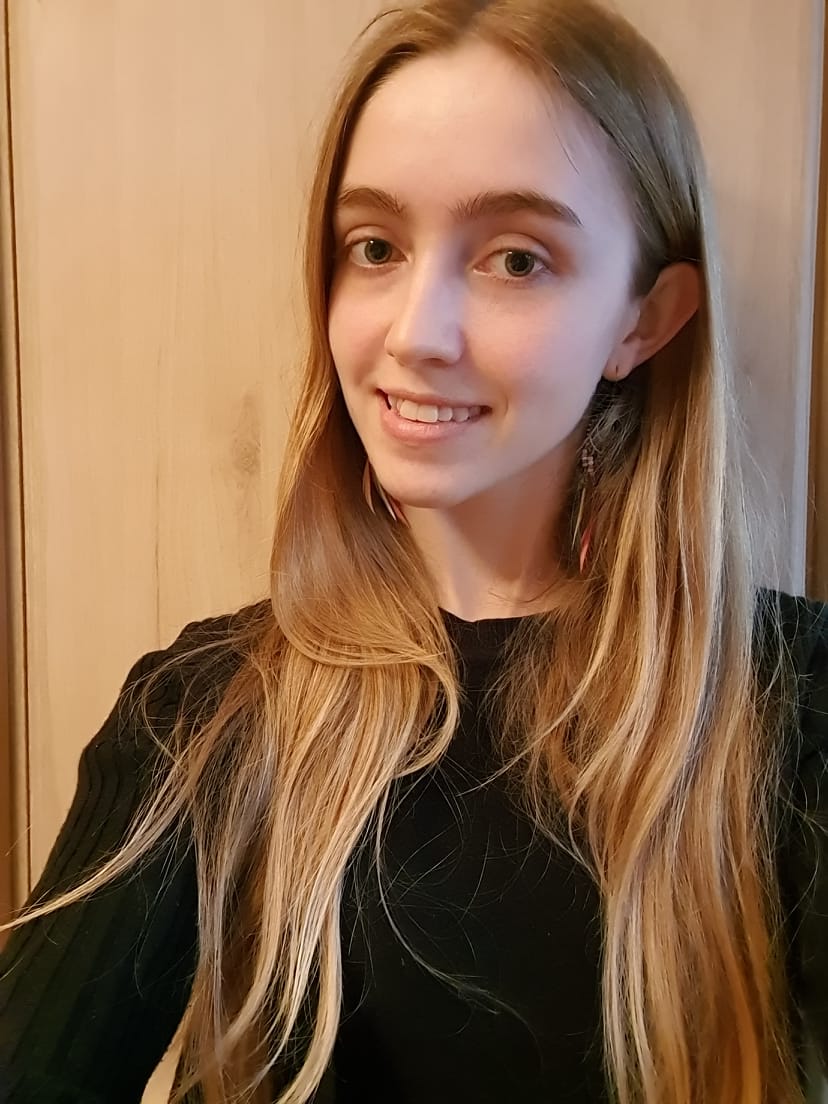
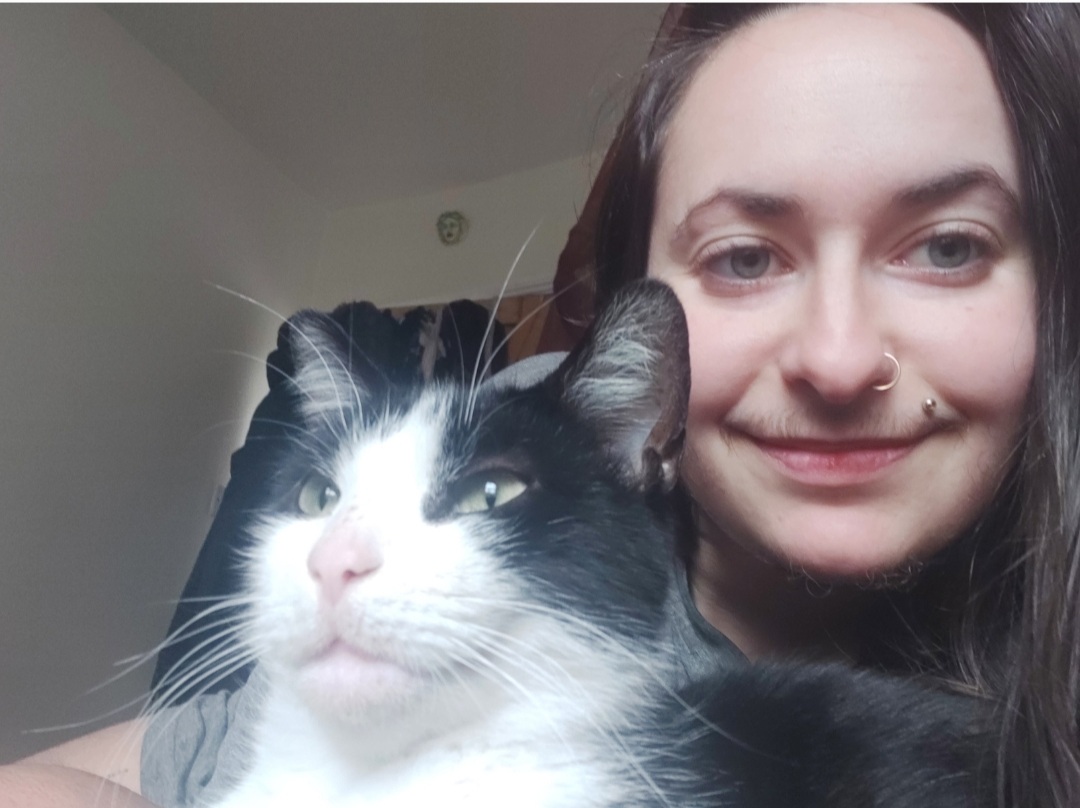

CRAIG (he/him)
LOUISE (she/her)
SABINA (they/them)
CHARLOTTE (she/her)


JESS (she/her)
FERGUS (they/them)
Frequently Asked Questions: GROUPS
WE'RE GOING ON HOLIDAY - WHAT HAPPENS ABOUT THE SESSIONS?
If you need to cancel your sessions for a short period (for example, during a holiday), please email to discuss this.
Unfortunately, we aren’t able to hold spaces unless they continue to be funded, as this can affect whether the group is financially viable to run. Please refer to our Terms & Conditions for full details.
MY CHILD IS STRUGGLING WITH SOMETHING IN THE GROUP - WHAT SHOULD I DO?
As we are child/young person led the answer to this question is: it depends! But everything we do is built on a foundation of anti-behaviourist practice. Please contact your group Mentor and Jess and we will listen, seek to understand and work out a way forward to support.
DO YOU OFFER ANY SUPPORT FOR PARENTS/CARERS?
Yes, watch out for emails about community events and Q&As.
MY CHILD HAS AN IDEA FOR THE GROUP - HOW CAN THEY LET THE MENTOR KNOW?
Depending on the dynamic of the group, the Mentor might provide specific opportunities for this. You’re also welcome to email the Mentor directly with any ideas too.
HOW DO WE PAY?
You will be sent a payment link around the 23rd of each month to rebook for the following month.